






Trauma-informed practice
The Parents Plus Programmes integrate a trauma-informed perspective to support the emotional well-being and development of children and adolescents. The central emphasis of programme content is on building warm attached and connected family relationships. Parents are invited to ‘tune in’ and compassionately understand their children’s emotional experiences and to create safe and nurturing home environments. In responding to challenges, the Parents Plus approach is about ‘pausing’, responding calmly and empowering parents to regulate their own emotions as they co-regulate their children’s emotions.
The Parents Plus Programmes are sensitive to the fact that many parents who attend the groups may have experienced trauma and adverse childhood experiences (ACE) themselves. In addition, many parents may have had previous stressful contact with family services especially when their child has additional needs, when many report that they are not listened to or that their family needs are not provided for
Within the Parents Plus programmes, there is a strong emphasis on parent care. Much of the programme content is focused on addressing parents own individual needs. Also, the programmes can be delivered in a flexible manner and parents who require additional support can be provided with individual sessions and tailored parallel support.
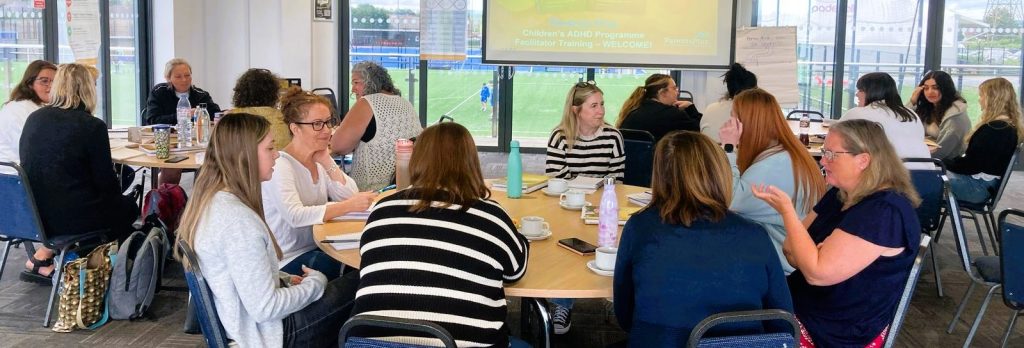
In the Parents Plus training, facilitators are encouraged to be sensitive to the fact that parents may have experienced trauma in the past and to ensure that they are not retraumatised by their work and interventions. Through strengths-based practice, facilitators are provided with a model on building trust and ensuring parents feel safe by
- Taking the time to talk to parents about what will help them to feel safe and supported in the group setting.
- Ensuring parents are listened to throughout the Parents Plus delivery.
- Following the Parents Plus Quality Protocol, collecting session by session feedback from parents and adapting group delivery to their individual needs.